Homeowner Guide to Radon Mitigation: What to Expect
Radon mitigation is one of the highest-value indoor air upgrades a homeowner can make when test levels are elevated. The process is usually straightforward, but many homeowners still get surprised by system design, placement decisions, or pricing differences between quotes.
This guide explains what mitigation does, which system types are used in different foundations, what installation day looks like, and how to verify long-term performance. If you want a personalized budget first, use our radon mitigation cost tool.
Key Takeaways
- Most homes are mitigated with active soil depressurization and a dedicated inline fan.
- The best system design depends on foundation type, sub-slab permeability, and available vent routes.
- Installation usually takes one day, with post-install testing to confirm performance.
- Typical costs vary by home layout, foundation complexity, and electrical routing needs.
- Long-term success depends on periodic retesting and basic fan/system checks.
What mitigation is and how it works
Radon mitigation lowers indoor radon by controlling pressure and airflow between the home and surrounding soil. The most common approach creates a low-pressure zone beneath the slab or membrane and vents soil gases above the roof line before they can enter living space.
In plain terms, mitigation does not "clean" indoor air the same way a purifier does. It reduces the amount of radon entering the building in the first place. That source-control strategy is why well-designed systems typically produce durable reductions.
EPA technical guidance for mitigation practice is summarized in its consumer-facing standards and references:
Types of mitigation systems
Contractors choose system type based on foundation design, access, moisture conditions, and expected airflow.
Sub-slab depressurization (active)
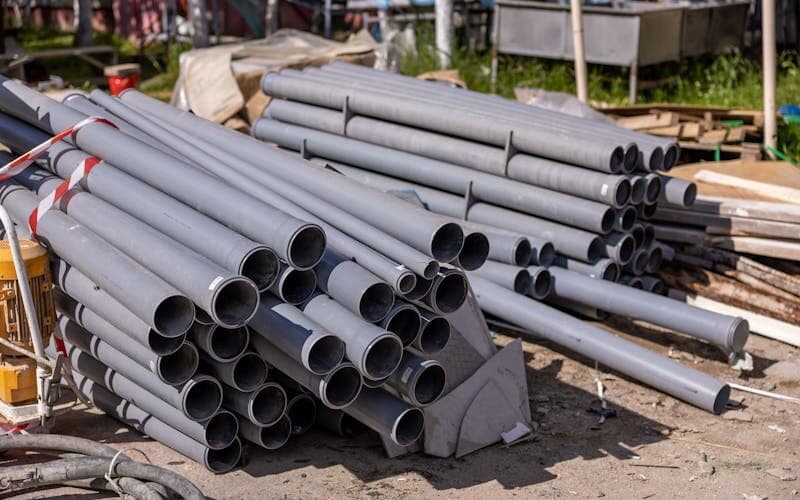
This is the most common approach for basement and slab-on-grade homes. A suction point is created through the slab, connected to PVC vent piping, and powered by an inline fan. The fan continuously draws soil gases from beneath the slab and exhausts them outdoors above the roof.
Typical use case: full basements, lower-level living space, and many mixed-foundation homes.
Sub-membrane depressurization
Crawl spaces are often mitigated by placing a sealed membrane over exposed soil and drawing air from beneath that membrane with a fan-assisted vent stack.
Typical use case: vented or conditioned crawl spaces with exposed earth. The quality of sealing around piers, edges, and penetrations strongly affects performance.
Passive systems
Passive radon systems rely on natural stack effect and wind, without a fan. Some new homes include passive rough-ins. Passive systems may reduce radon in lower-risk cases, but many homes still require fan activation to meet target levels.
Heat recovery ventilation (HRV/ERV) applications
HRV or ERV units are not usually the primary radon fix, but they can support reductions in select scenarios by improving balanced ventilation. They are more commonly supplemental to source-control systems rather than a replacement for sub-slab or sub-membrane approaches.
Installation process step by step
Most installations follow a consistent sequence.
- Site review and diagnostics: Foundation mapping, potential suction points, vent path options.
- System design: Pipe routing, fan model selection, discharge placement, and electrical plan.
- Sealing prep: Accessible cracks/openings are sealed to improve pressure control.
- Suction point creation: Slab core or crawl space collection point is prepared.
- Piping installation: PVC route is run to attic/exterior and terminated above roof line.
- Fan installation: Fan is mounted in approved location, often outside or in attic/garage zones.
- System labeling and manometer setup: Visual operating indicator and service labels are added.
- Commissioning: Airflow checks and initial operating confirmation are completed.
Installation commonly takes a single day, while scheduling and permit coordination can extend the overall timeline. If you are in escrow, book early so you have room for post-install verification testing.
Cost expectations by home type
Costs vary significantly by foundation and routing complexity. The ranges below are practical planning ranges, not fixed bids.
- Standard basement or slab home: often around $1,000-$2,000.
- Complex layouts or long vent routes: often around $1,800-$3,000.
- Crawl space membrane systems: often around $1,500-$4,000, depending on sealing scope.
- Large homes or multi-zone designs: may exceed $3,000 when multiple suction zones are needed.
Major cost drivers include electrical work, roofline routing difficulty, foundation segmentation, and cosmetic constraints. Compare at least two detailed quotes and use ourcost estimatorbefore finalizing.
For additional cost context, readour mitigation cost guideandthis homeowner budgeting breakdown.
How to choose a contractor (what to ask)
Quote quality matters more than quote speed. The best proposals are specific, readable, and tied to measurable performance expectations.
Ask each contractor these questions:
- What system type are you proposing for my foundation and why?
- Where will suction points, fan, and discharge be located?
- What radon level do you expect after installation, and what follow-up is included if levels stay high?
- Who handles permits and electrical work if required locally?
- What warranty terms apply to fan, labor, and performance adjustments?
- Will you include post-install verification testing guidance in writing?
Start contractor outreach at contractor search orradon contractors near me. For local examples, compare providers in Columbus, OH and Pittsburgh, PA.
State radon programs can also provide referral and policy context. Examples include:
- Pennsylvania Department of Health radon program
- Colorado Department of Public Health and Environment radon resources
Post-installation: verification testing
A mitigation system is not complete until testing confirms reduced levels. Plan follow-up testing as part of the project, not as an optional afterthought.
- Run post-install testing after system stabilization according to contractor/test guidance.
- Keep documentation for results, install details, and warranty terms.
- If levels are still elevated, request diagnostics and system adjustments promptly.
- Use long-term testing to validate annual performance once the system is established.
You can interpret post-install numbers in our result tool and then decide whether additional tuning is needed.
Maintenance and long-term care
Radon systems are usually low maintenance, but they are not maintenance-free. A short monthly check can prevent long periods of underperformance.
- Check the system indicator regularly to confirm active suction.
- Listen for major fan noise changes that may indicate bearing wear.
- Inspect visible piping and seals for damage after storms or roof work.
- Retest every 2 years and after major home changes.
For deeper maintenance guidance, readour radon system maintenance guide.
Design details that affect long-term performance
Two systems can look similar but perform very differently. Long-term results depend on details such as suction field communication beneath slabs, fan sizing, and stable discharge routing above the roofline.
Better proposals explain why each design choice was made for your structure. For example, a segmented slab may need more than one suction location. A tight crawl space may need stronger membrane sealing before fan operation can deliver expected reductions.
Pipe routing should balance technical performance with practical visibility and noise considerations. Routing through garages, utility chases, or exterior walls can all be valid when done correctly; the key is clear rationale and quality execution.
Ask contractors to explain what success looks like numerically and how they troubleshoot if initial results are above target. Written expectations reduce misunderstandings later.
What to expect on installation day
Knowing the day-of sequence helps homeowners prepare access and avoid delays. Confirm where crews will need entry, whether attic or roof access is required, and whether any stored items should be moved in advance.
You should expect drilling noise, periodic pressure checks, and visible pipe/fan placement work. Most projects are completed without major disruption, but older homes may require extra time for routing around framing, utility conflicts, or prior repairs.
Before the crew leaves, request a short walkthrough of the system indicator, basic operating signs, and service contacts. Homeowners should know what normal operation looks and sounds like on day one.
Keep copies of warranty details, invoice scope, and post-install instructions. Those records are valuable if you sell the home or need service years later.
Comparing quotes without getting lost in pricing
Lowest price is not always lowest total cost. A cheaper quote can become more expensive if follow-up work is needed to hit target levels. Compare scope line by line before choosing.
- Confirm exact system type and number of suction points.
- Check whether electrical work is included or separate.
- Verify fan model class and warranty terms.
- Check what follow-up troubleshooting is included if initial results are high.
- Review cosmetic allowances for routing and penetrations.
If one bid is substantially lower or higher, ask why. A clear explanation is usually available and often reveals scope differences rather than pricing errors.
Foundation-specific expectations homeowners should know
Foundation type drives both design and budget. Homeowners who understand this upfront make better quote comparisons and ask more useful questions.
Basement homes
Basements often use one or more sub-slab suction points. Performance depends on under-slab material permeability and whether footings or partitions isolate pressure zones. Some homes respond very well with one point, while others need additional points for full coverage.
Slab-on-grade homes
Slab homes can be straightforward or complex depending on plumbing layout and slab segmentation. Routing choices for vent piping are often the key driver of both aesthetics and labor hours.
Crawl-space homes
Crawl-space mitigation quality is strongly tied to membrane installation details. Seams, wall terminations, and pier seals need durable execution. Budget ranges are wider because soil conditions and access constraints vary significantly from home to home.
Mixed-foundation homes
Many homes have combinations such as partial basement plus crawl space. Mixed foundations may require multi-zone strategy and careful balancing to prevent one area from underperforming.
Red flags during contractor selection
Most contractors are professional and transparent, but homeowners should still watch for signs that proposal quality is weak.
- No clear explanation of system type or suction approach.
- Vague promises without written scope, timeline, or warranty terms.
- Pressure to approve same-day pricing without allowing comparison.
- No discussion of post-install verification testing and follow-up protocol.
- Unclear responsibility for permits or electrical work where required.
A strong contractor will answer technical questions in plain language and provide written details without friction. If communication is unclear before installation, service experience is unlikely to improve afterward.
Planning mitigation around occupancy and renovations
Timing matters when you are remodeling, moving in, or finishing lower levels. Installing mitigation before major basement finishing can simplify routing and reduce rework. If renovations are underway, coordinate sequencing so vent paths and sealing are not blocked by later construction.
Families with infants, elderly occupants, or high lower-level occupancy often prioritize faster completion and rapid follow-up testing. Investors and landlords may prioritize standardized scopes across multiple properties to simplify maintenance and documentation.
If your home has upcoming HVAC changes, mention this during design. Mechanical updates can alter pressure relationships, and your contractor may recommend testing timing that reflects those changes.
The goal is durable, predictable performance, not just a one-day install. Planning around real occupancy and future projects improves long-term outcomes and reduces surprises.
Homeowner records to keep after installation
Keep a simple mitigation file with install documents, test reports, and service records. This file becomes useful for warranty support and future resale disclosures.
- Final signed proposal and invoice.
- System diagram or written description of suction/discharge layout.
- Post-install test results and future retest reminders.
- Fan warranty terms and contractor contact details.
Organized records reduce confusion when a fan is replaced, a buyer requests documentation, or another contractor services the system years later.
Frequently asked questions
1. How quickly can mitigation lower radon?
Many homes show meaningful reduction soon after system startup, but confirmation requires proper follow-up testing. Always verify with measurement, not assumptions.
2. Can I live in my home during installation?
Yes, in most cases. Installation is commonly completed in one day with limited disruption.
3. Does mitigation increase energy bills?
There is usually a modest electrical cost from the fan. Actual monthly impact varies by fan model and utility rates.
4. What if post-install results are still high?
Ask the contractor for diagnostics. Solutions may include suction point adjustments, fan changes, or additional sealing and routing updates.
5. How long do mitigation fans last?
Lifespan varies by model and operating conditions, often several years. Keep install records so replacements are easier to plan.
6. Should I get multiple quotes?
Yes. Compare design details, warranty terms, and post-install support, not just the lowest price.
Educational content only; not legal, engineering, or medical advice. Verify technical and regulatory details with qualified local professionals and agencies.
Share this article
Find Certified Radon Contractors Near You
Compare certified radon professionals in your area and request quotes in minutes.